
We refused to leave our children's development to chance.
So we built the system we wished existed — grounded in the world's best science and rooted in the faith that gives it meaning.
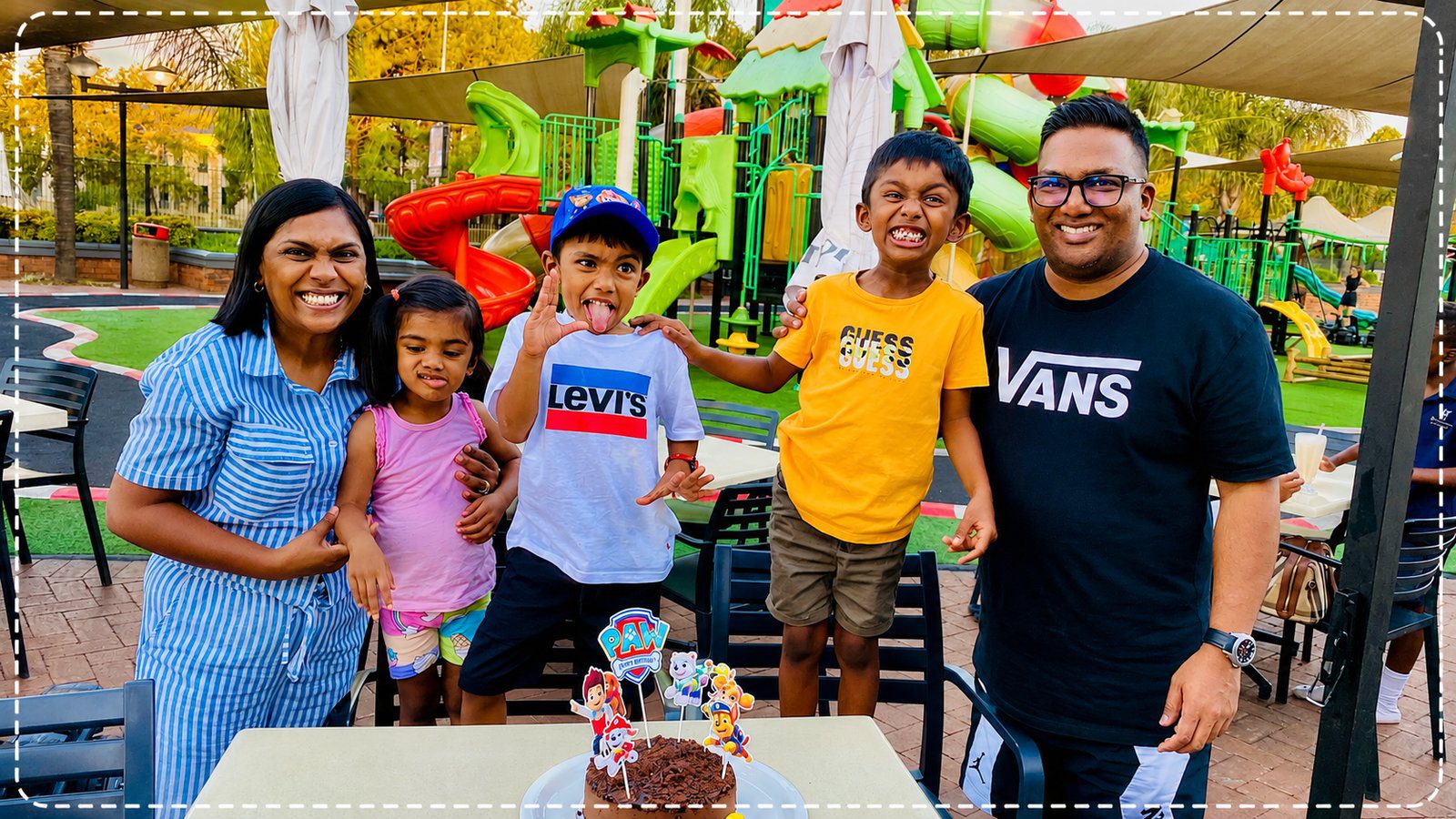
A hailstorm, a garage full of toys, and the question that changed everything.
In 2019, Leesha and I became parents to Elijah. That was the moment we realised God had given us this privilege not just to raise a child, but to fulfil His purpose in him. Proverbs 22:6 became real for us: "Train up a child in the way he should go, and when he is old he will not depart from it."
So we did what every parent we knew was doing — we got Elijah a place at one of the best schools in our area, thinking that would be enough. Then we put him in one of the best pre-primary schools while we waited.
That's where we made a startling discovery. It is not the responsibility of a school to educate your child. They facilitate. They enable. But the responsibility lives at home.
The next question was practical: what resources, what toys, what material should we actually buy? And when you don't know what to buy — especially for your firstborn — you buy everything. Flashcards, sets, screens, plastic activity stations, the lot.
"Late 2023, both Leesha's car and mine were destroyed by a hailstorm — tennis-ball-sized stones — because both cars were parked outside. Why outside? Because the garage was full of toys."
— Alton, FounderBy that point, Noah and Atarah had arrived. The amount we'd spent on toys over four years could probably have funded my early retirement. Most were broken, abandoned, or thrown out within weeks.
That hailstorm forced the question: is there a better way? Not "what toys should we buy" — but "what informs fundamental child development? How does a child actually develop? What are the building blocks?"
So Leesha and I went deep. We studied the Nordic countries' early childhood systems. We dug into the US, UK, and South African models. We researched Harvard Project Zero and the Pedagogy of Play. We read papers most parents wouldn't. And out of that, we built the Zedek Tikkun Model.
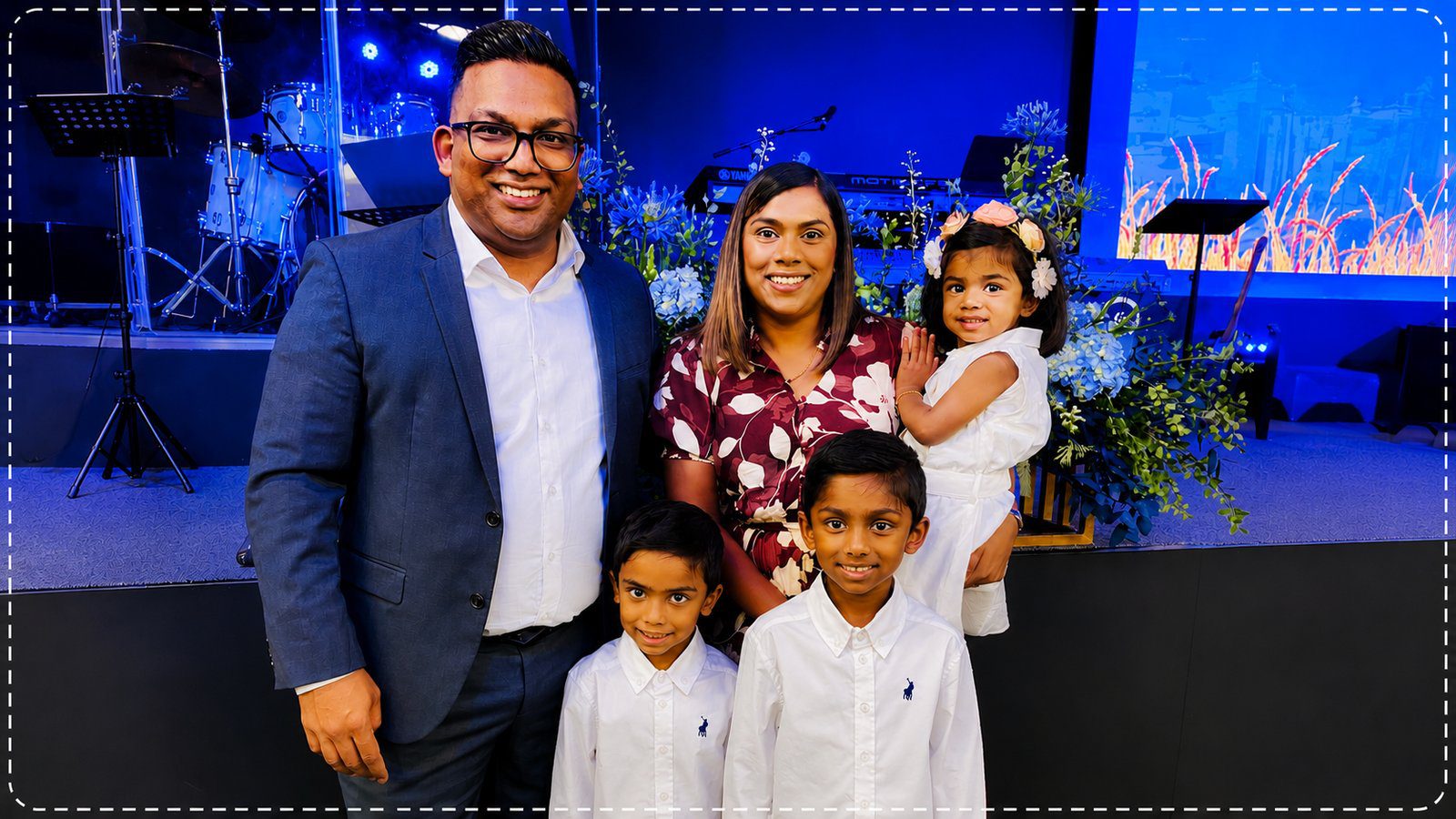
Alton & Leesha — engineer precision meets maternal intuition.
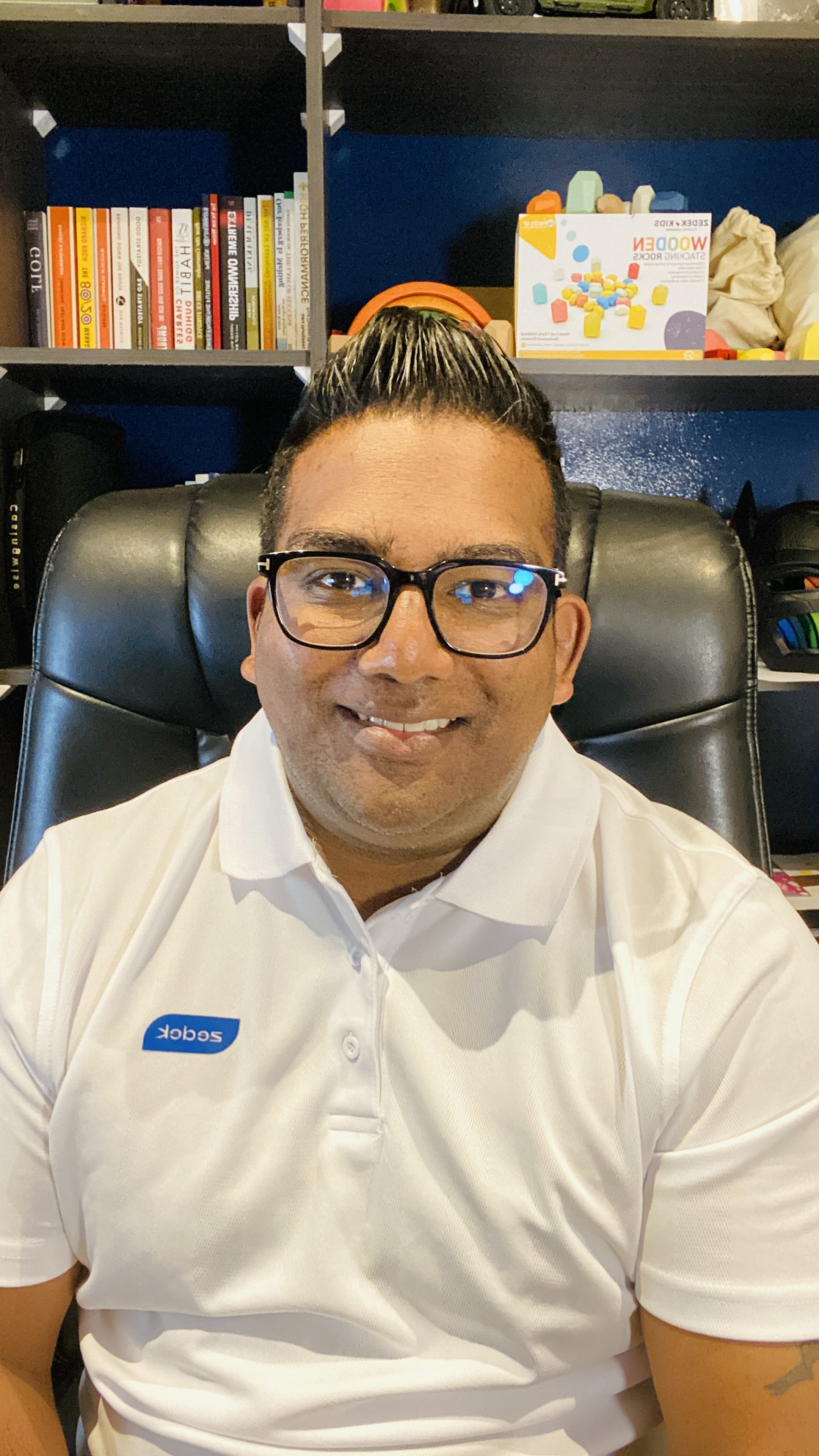
Alton — Father. Mechanical Engineer. Builder.
I grew up paying R20 a year for school. That shaped my view that excellent child development shouldn't be reserved for elite families. My engineering brain sees systems where others see chaos — user requirement specifications, fit-for-purpose design, structured problem-solving. When I couldn't find a developmental framework that met my standards, I built one.
As a kid, I once took apart a hairdryer to build a fan. The motor blew up, the mains tripped, and by the grace of God I was uninjured. That curiosity about how things actually work — what makes them turn, why they fail — eventually became my career and my approach to parenting.
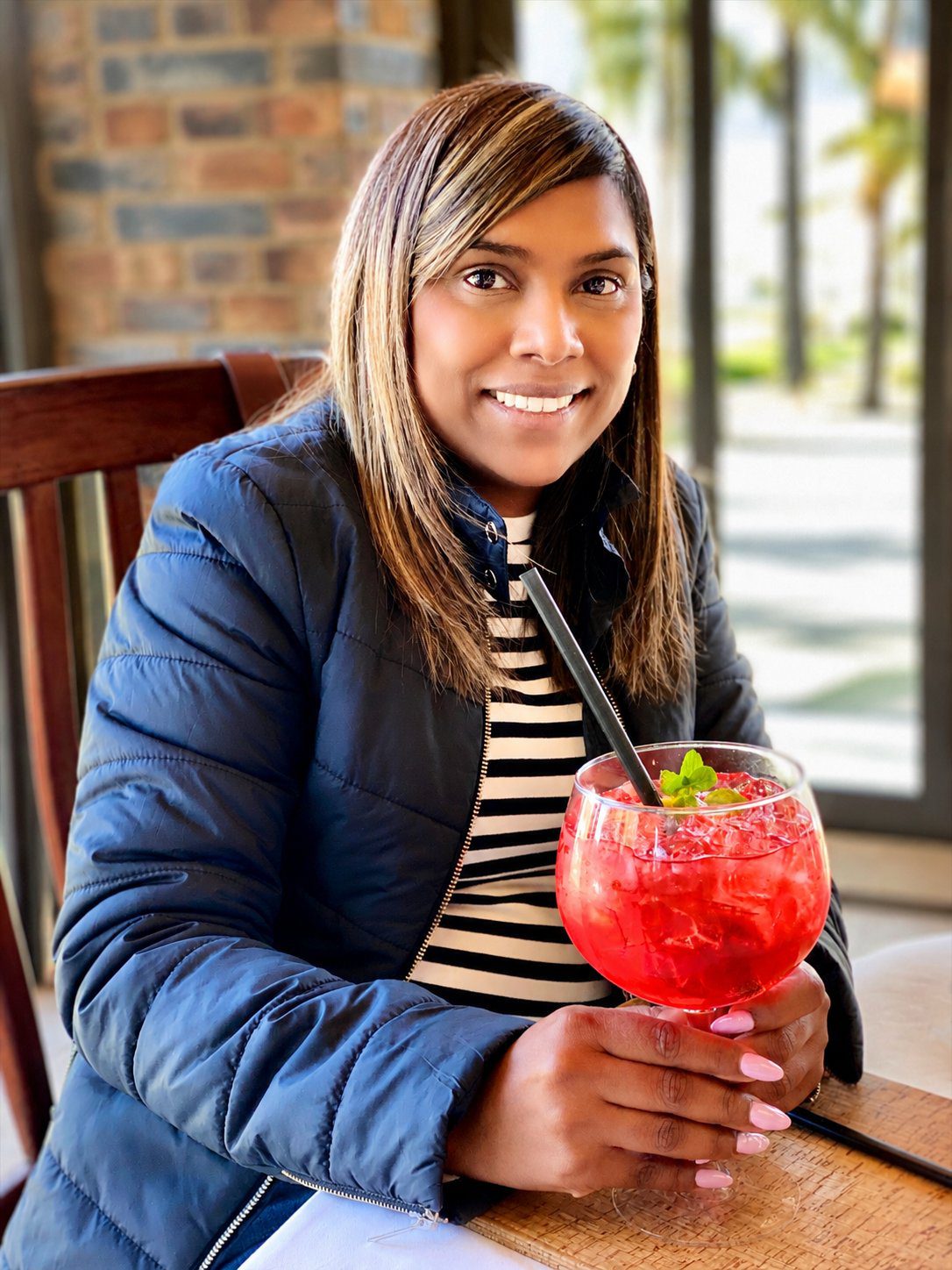
Leesha — Mother. Co-founder. The voice of the parent.
Leesha is the reason Zedek doesn't sound like a university lecture. When I present a framework with eight developmental objectives distributed across four pillars, she says: "Don't make this sound like a university degree." She's right. Every time.
She brings the maternal intuition, the user-language filter, and the reality check of a working mother managing three children. The four pillars — Physical, Personal, Potential, Purpose — are the simplified model she pushed me toward. That simplicity is what makes it usable.
The Zedek Tikkun Model — four pillars of whole-child development.
Every child develops across four interconnected dimensions. Most parents — and most apps — track only one. The Tikkun Model tracks all four, calibrated to the CDC's 75th percentile standard.
Physical
Motor skills, body awareness, movement foundations
Personal
Emotional regulation, social connection, attachment
Potential
Cognitive growth, language, thinking skills
Purpose
Spiritual formation, character, identity
When we developed the model, we found three pillars consistently across the global research — but something was missing. Then we saw Luke 2:52 staring back at us. The fourth dimension — purpose, spiritual identity — was there in Jesus' own growth pattern. That completed the model.
138
Validated milestones
4
Developmental pillars
250+
Evidence-based resources
0–9
Years of coverage
12
Age bands
Built on research from the CDC, Cambridge, Johns Hopkins, Harvard Project Zero, the WHO, and UNICEF.
Christ-centred. Not as a feature — as the foundation.
Zedek derives from Melchizedek — "King of Righteousness." It carries the conviction that children made in God's image deserve to be developed as whole human beings — not just academics, not just earners, but people who know who they are and why they are here.
We serve Christian parents primarily, but we do not exclude anyone. We are shepherds, not gatekeepers. If our work introduces a parent to Christ's method of raising children, that is a fruit of the calling, not a marketing strategy.
"And Jesus grew in wisdom and stature, and in favour with God and man."Luke 2:52
We're building something that outlasts us.
Beyond the product, we want to leave a legacy. We want our children — and millions of others — to grow up with strong values and a deep understanding of who God created them to be, rooted in the Bible as the foundation of who they are, not just a story they were told. Zedek is the vehicle for that legacy at scale.
"We have only one shot at this. Let's make it count."
— Alton & LeeshaReady to become an Intentional Parent?
Join our free live webinar every Thursday at 18:00 SAST. 60 minutes that will change how you parent.
Register for the free webinar